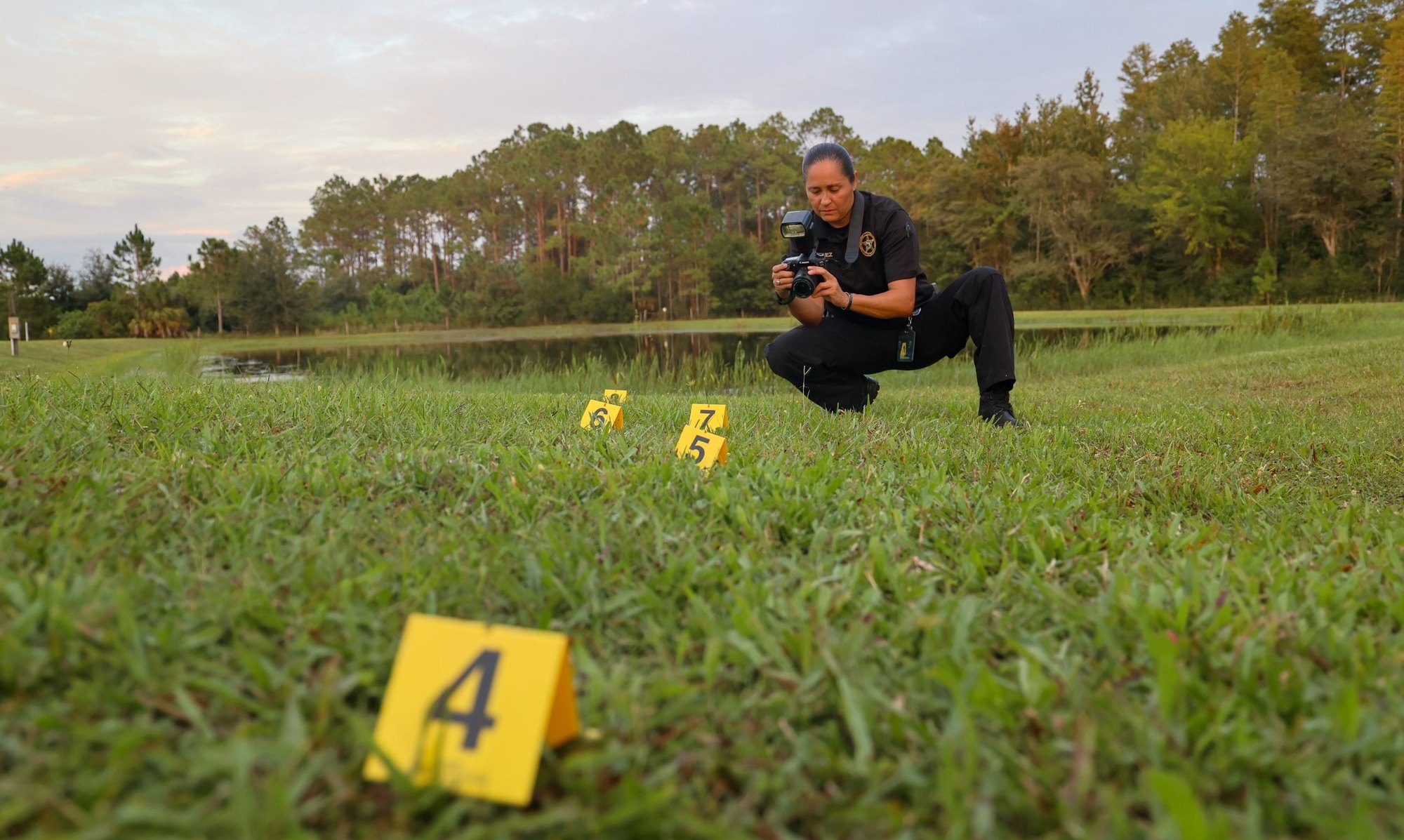
Cases that TV wraps up in an hour can take months or years in real life, a Pasco Sheriff's Office forensic investigator said in a Q&A published Monday.
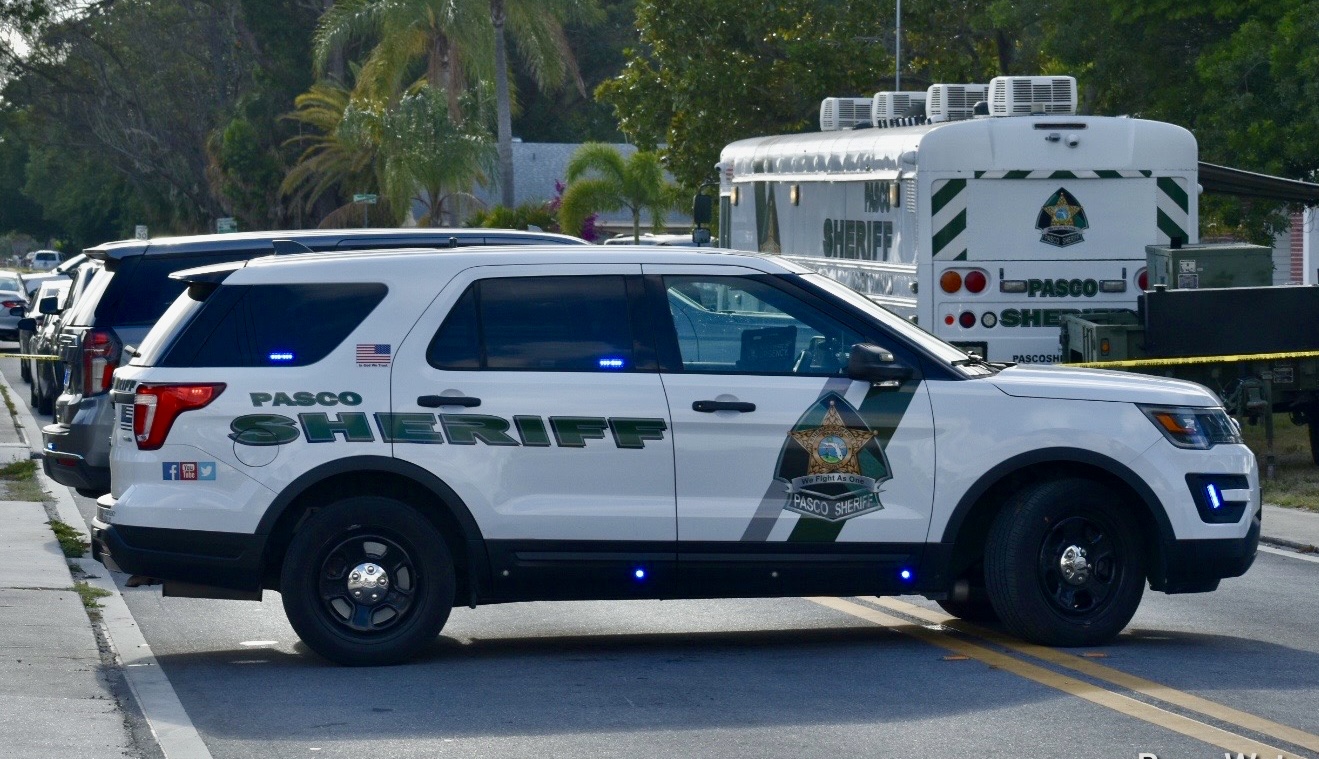
The agency released the interview to mark National Forensic Science Week, which runs Sept. 20-26. The investigator, who was not identified by name, walked through the daily realities of collecting evidence across Pasco County.
What the Forensic Services Unit handles
The Forensic Services Unit handles burglaries, shootings and death investigations, the Pasco Sheriff's Office said on X. Its investigators work alongside patrol deputies, latent print examiners, major crimes detectives, property crimes detectives and the Property and Evidence Unit.
Their work includes crime scene documentation and reconstruction, specialized photography, DNA collection and blood evidence analysis. They also occasionally work in hazardous locations.
Pushing back on the 'CSI effect'
The investigator pushed back on what's known as "the CSI effect," the expectation that forensic work plays out the way it does on television.
"We all love the TV shows. They're fun; they're glamorous. You get to see the entire investigation from start to end in just an hour," the investigator said. "Some of our cases could take days, weeks, months, and years to complete."
Fingerprints are not always clearly visible, the investigator said, and the dots do not always connect right away. The only way to make prints appear out of thin air is black powder, the investigator said. The unit works in teams.
Accuracy first, despite the emotional toll
Accuracy is the top priority, the investigator said, because evidence can change a case's direction or outcome. The investigator also acknowledged the mental weight of the job, saying the emotional toll of certain calls can be heavy and that those feelings are often internalized.
National Forensic Science Week, now in its 14th year, is organized by the Consortium of Forensic Science Organizations. It runs through Saturday.
.jpg)
.jpg)