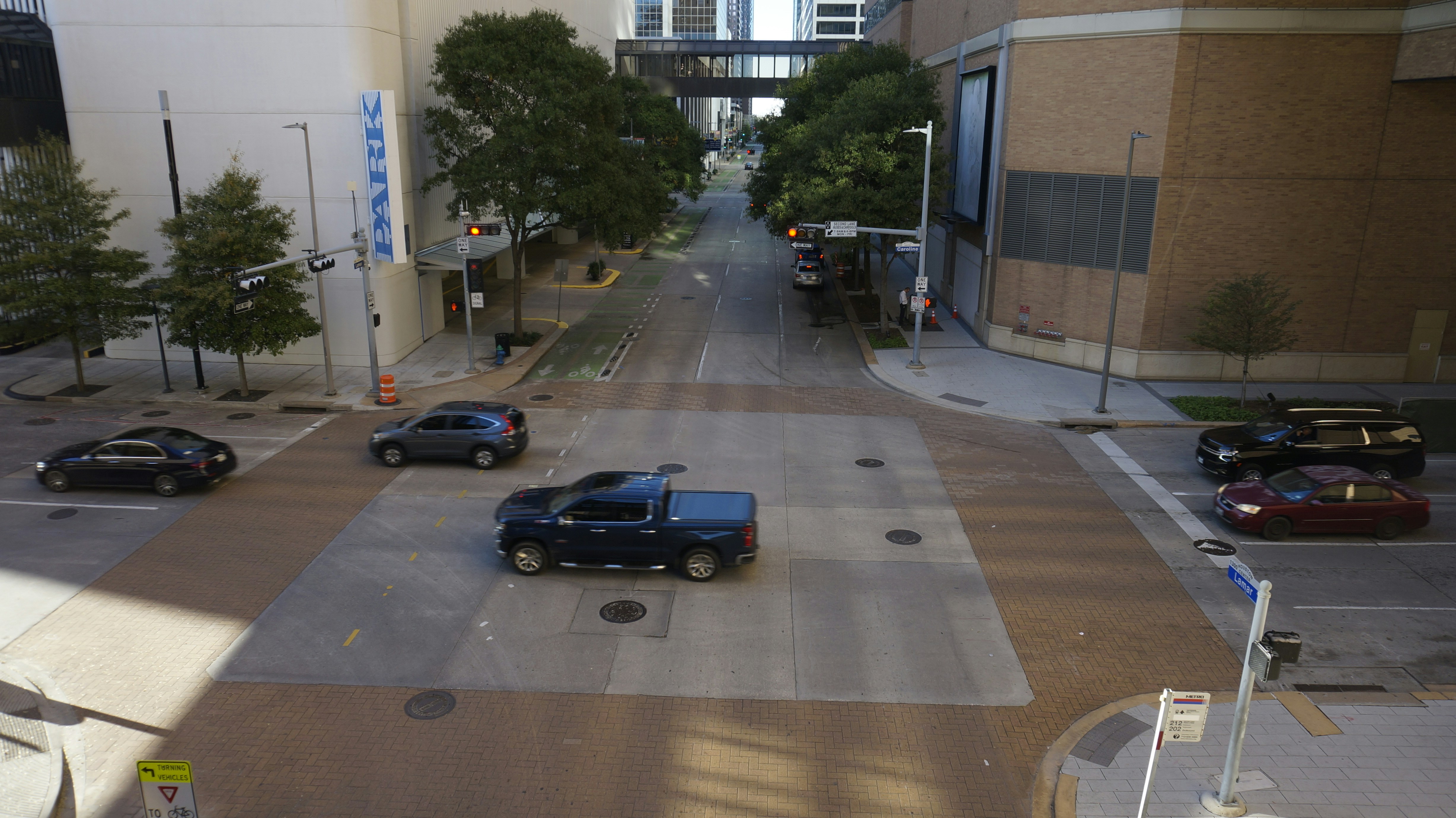
Drivers on Hillsborough County's deadliest roads will see new sensors, retimed traffic signals and speed-management technology over the next four years after the county's transportation planning agency landed a federal safety grant worth more than $2 million.
The Hillsborough Transportation Planning Organization announced Monday, July 27, that it secured the funding through the U.S. Department of Transportation's Safe Streets and Roads for All program, according to a Plan Hillsborough news release. The money will pay for the Tampa Bay Arterial Signal Timing and Speed Management Planning Study and Demonstration Project, a multiyear effort running through June 2030.
The University of Central Florida's Safe and Smart Transportation Lab is the research partner. Together, the two organizations will deploy technology on portions of the TPO's High Injury Network, the set of corridors with the county's highest rates of severe crashes and fatalities.
What it means for Lutz and Odessa residents
Hillsborough County has historically ranked among the nation's most dangerous counties for road users. The TPO's Vision Zero Action Plan identified the High Injury Network as the top corridors for severe crashes. The agency has not yet named which specific roads will receive pilot treatments, but the High Injury Network includes arterials that Lutz and Odessa residents travel regularly. Those corridors will be narrowed down during Phase 1 of the project.
The county saw a 33% decrease in traffic fatalities in 2024, according to TPO safety data, but still fell short of its targets for motorcycle fatalities and overall serious injuries. For 2025, the TPO set targets of no more than 156 fatalities, no more than 41 motorcycle fatalities and no more than 957 serious injuries, all measured as five-year averages.
How the project works
The initiative kicked off in June 2026 and runs in three phases, according to the project website:
- Phase 1 (July 2026-August 2027): Preliminary analysis, safety data collection and identification of hotspot locations for targeted treatments.
- Phase 2 (September 2027-June 2028): Design of demonstration activities, including signal retiming plans and signage.
- Phase 3 (July 2028-December 2029): Deployment of dashboards and low-cost countermeasures at selected intersections, followed by before-and-after analysis.
The TPO's July 27 news release states the project focuses on low-cost speed management strategies that can be scaled across the county and beyond. A supplemental plan developed from Phase 1 results will identify additional Hillsborough corridors for the same treatments, evaluating return on investment and crash reduction.
The initiative focuses on enhancing safety particularly in underserved communities, according to the TPO's original grant announcement from November 2024.
How to follow the project
The TPO has not announced a public comment period or upcoming board meeting specific to this project. Residents can track progress at planhillsborough.org/ss4a-arterial-signal-timing or contact the project team at 813-272-5940.