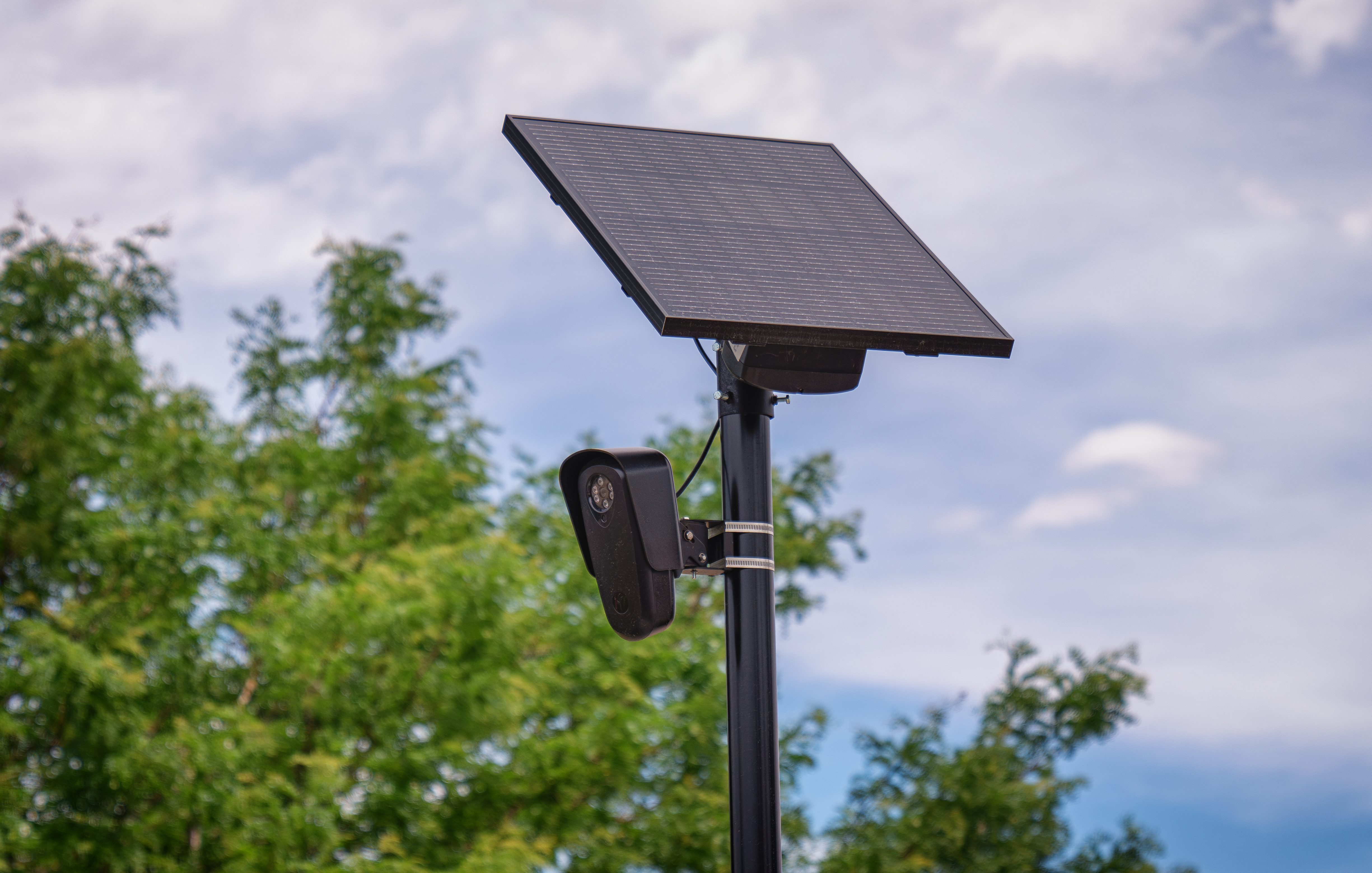
Sheriff Chris Nocco notified Pasco County commissioners in a letter Wednesday, Aug. 26, that he is ending the agreement allowing his office to operate license plate reader cameras on county roads.
The cameras will stop operating Sept. 30.
Nocco wrote that a majority of commissioners no longer support the program, which the board approved unanimously on Dec. 10, 2024. He warned the decision will hurt crime-solving and the search for missing children and human trafficking victims, and will strain the office's limited resources, according to Tampa Bay 28.
The dispute came to a head after Commission Chair Jack Mariano raised Fourth Amendment concerns at the Aug. 11 commission meeting, questioning whether the program was constitutional and how collected data was being used. Several residents spoke against the cameras at the Aug. 25 meeting as well.
In a public response letter, Mariano said he was pleased with the decision. He called automated license plate reader (ALPR) networks "deeply concerning" and said local government must draw a hard line against mass surveillance.
The Sheriff's Office had about 60 ALPR cameras countywide. Nocco said his office voluntarily limited data retention to 30 days, far shorter than the two-year maximum Florida law allows. Searches were restricted to felonies and select misdemeanors, and each required a case number and written justification.
Nocco wrote that none of the privacy concerns raised at commission meetings had actually occurred in Pasco County. He said it was disappointing that a majority of commissioners did not trust the Sheriff's Office or its deputies.
Bryan Sarabia, division director for the State Attorney's Office in New Port Richey, spoke at the Aug. 25 commission meeting in support of the cameras, citing cases in which they helped investigators and prosecutors. PSO Inspector Arthur Madden also defended the technology at that meeting as essential for time-sensitive investigations.
The termination applies only to cameras in county rights-of-way. License plate readers on private property, including those operated by community development districts, homeowners associations and retail businesses, are unaffected. Pasco County has roughly 170 total ALPR cameras, and private entities operate more than the Sheriff's Office does, according to earlier Tampa Bay 28 reporting.
Gov. Ron DeSantis also spoke against license plate readers at a press conference Wednesday, Aug. 26, saying he does not want Florida to become a surveillance state, WFLA reported.
Jeff Cannon, a Pasco resident who spent months researching ALPR agreements, called the outcome "a victory at this point" but warned residents to watch for replacement surveillance technologies that could do the same thing.
.jpg)