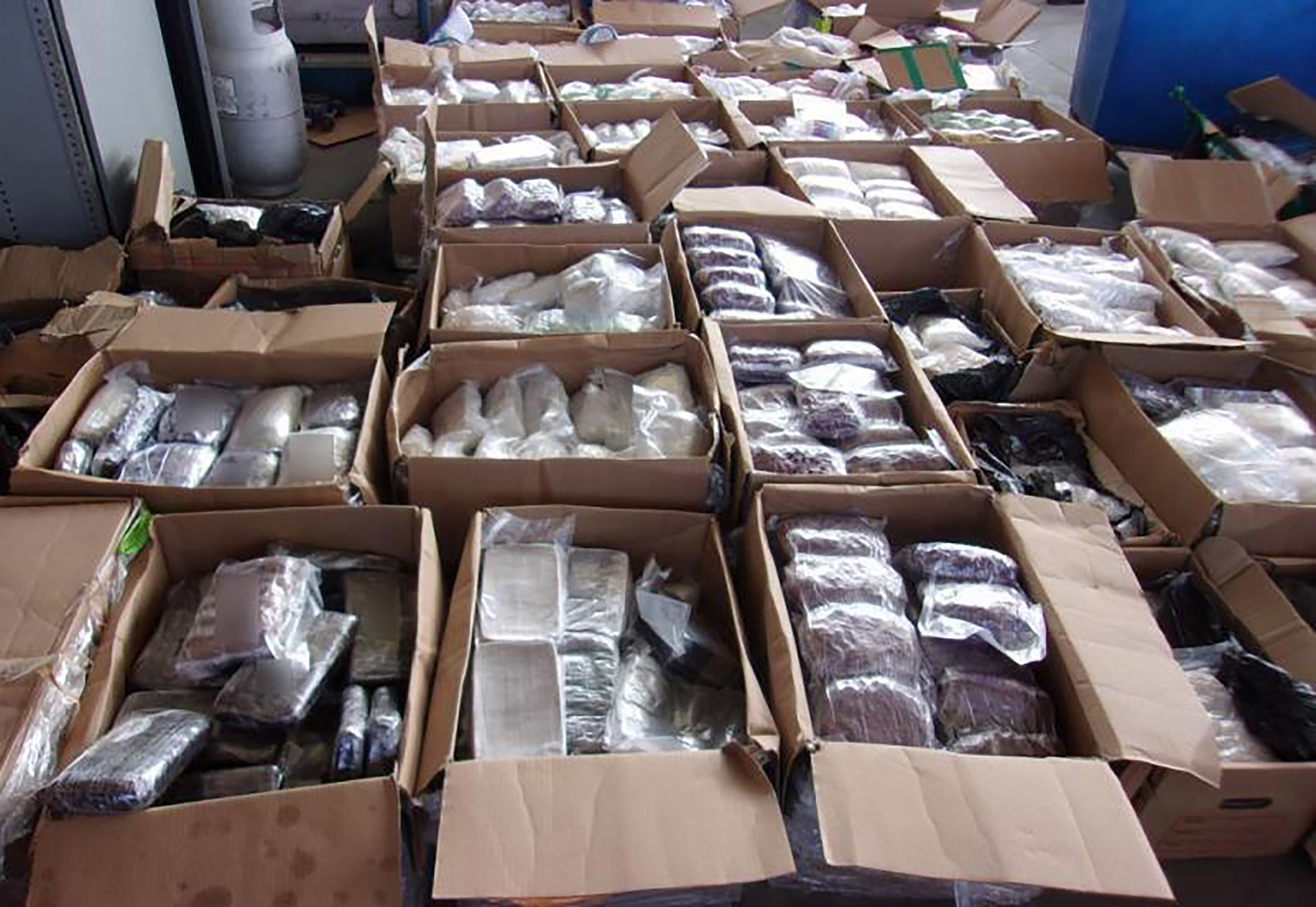
A dozen new Florida laws take effect Thursday, Oct. 1. The changes bring stiffer drug-trafficking penalties, tighter pretrial release rules for violent crime suspects and a career offender registry, according to a WFLA roundup of the laws.
New penalties target xylazine and nitrous oxide sales
Senate Bill 432, known as "Meg's Law" after Meg Caldwell, a Florida woman who died following a struggle with nitrous oxide addiction, targets xylazine. The veterinary sedative is increasingly mixed with fentanyl and sold on the street as "tranq."
Selling, manufacturing or possessing xylazine with intent to sell is now a third-degree felony carrying a mandatory minimum three-year prison sentence. Possessing or bringing 28 grams or more into the state is a first-degree felony.
The law also bans licensed retail nicotine dealers and their employees from possessing, selling or giving away nitrous oxide on their premises. Violators face the same charge as xylazine dealers. Grocery stores are exempt; convenience stores are not.
Gov. Ron DeSantis signed SB 432 at a June 16 news conference in Winter Haven. "We've led the nation in taking decisive action against emerging drug threats, and we're continuing to do that with this bill today," DeSantis said at the signing, as reported by Florida Politics.
The xylazine penalties arrive as local agencies pursue drug-death cases. Hillsborough County Sheriff Chad Chronister said Aug. 10, when announcing murder charges in two separate fentanyl overdose investigations in Tampa, that "fentanyl disguised as legitimate prescription medication is one of the deadliest threats facing our community."
Pretrial release tightened; career offender registry created
House Bill 397, the Victim Safety in Pretrial Release Act, makes it a first-degree misdemeanor to willfully violate a no-contact order issued as a condition of pretrial release when the original arrest involved a qualifying violent crime. Those crimes, as listed by News4Jax, include murder, manslaughter, assault, aggravated battery, kidnapping, sexual battery, robbery and other felonies involving the use or threat of physical force.
A second violation becomes a third-degree felony. Officers can make warrantless arrests on probable cause and are shielded from civil liability for those arrests.
Anyone arrested on suspicion of committing another qualifying crime while on pretrial release must be held until a first-appearance hearing. The court must weigh victim safety, the severity of the underlying offense and the suspect's history of complying with court orders.
Senate Bill 1332 creates a registration system for three categories of repeat offenders defined in state law: habitual violent felony offenders, violent career criminals and three-time violent felony offenders. It is modeled on the sexual offender registry.
Offenders must register in person at a sheriff's office within 48 hours of release or of establishing a Florida residence, CBS12 reported. They must provide their address, phone number, employment, vehicles, professional licenses and immigration status annually, and report any change to their contact or job information within the same two-day window.
Their driver's licenses or state IDs will carry the notation "775.261," the statute number for the Florida Career Offender Registration Act, according to NorthEscambia.com. Failing to register or report changes is a separate third-degree felony for each violation.
Local law enforcement must verify career offender addresses at least once a year and report compliance failures to the Florida Department of Law Enforcement.
Crash reports, gang definitions among other changes
Senate Bill 488 raises the estimated damage amount that triggers a mandatory crash report to law enforcement from $500 to $2,000. The law also clarifies that decorative license plate frames are permitted as long as they do not obscure the plate number or validation sticker.
The remaining laws cover gang membership definitions that now include social media activity (House Bill 429), a felony for fraudulent entry into a residential property using false identity or financial documents (House Bill 1293), tougher penalties for indecent exposure while observing a child younger than 16 (House Bill 1525) and a new felony for adults who entice minors to commit aggravated animal cruelty (House Bill 559).
Residents can report suspected drug activity to Crime Stoppers at 800-873-8477.




.jpg)