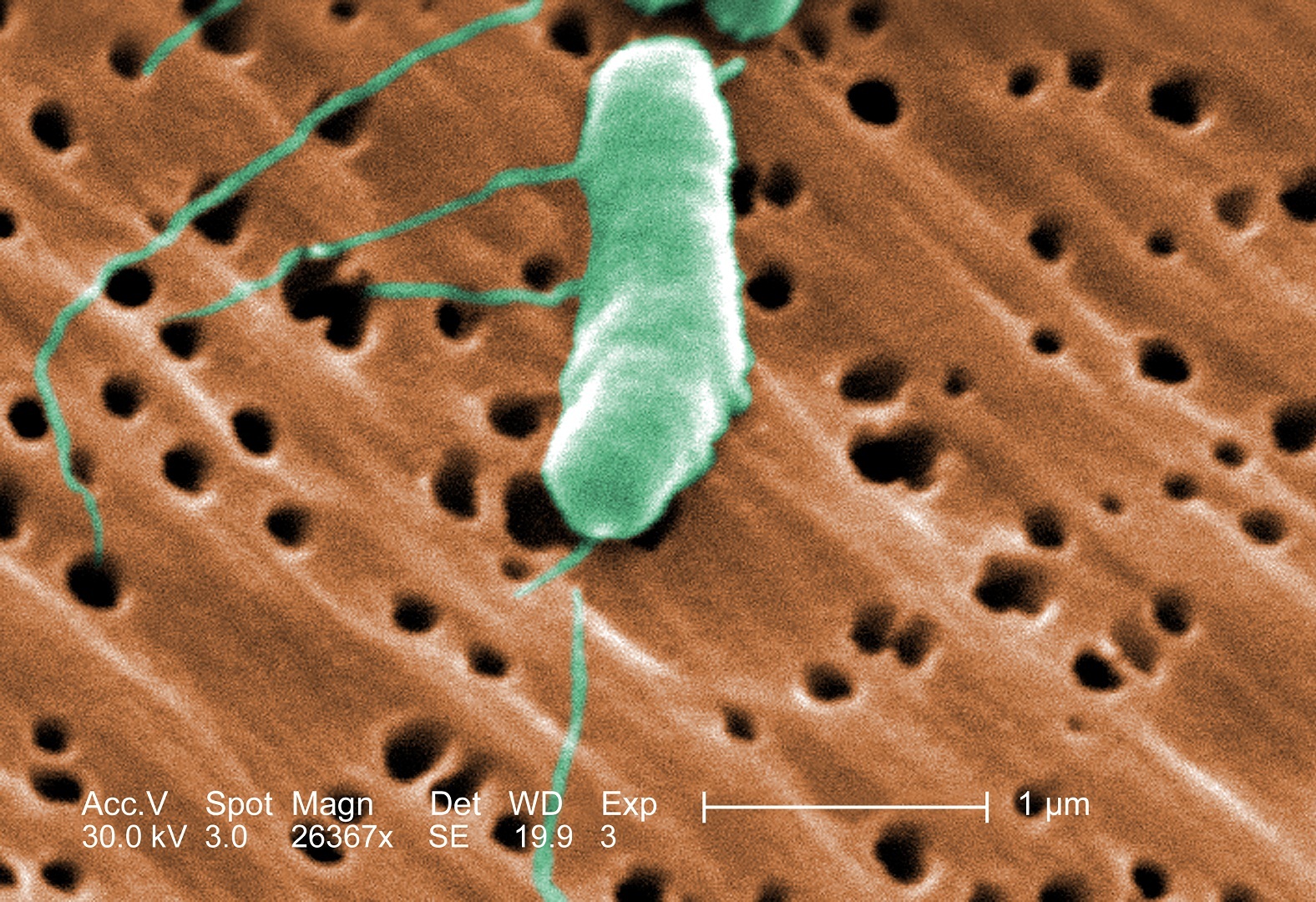
Hillsborough County has recorded one confirmed case of Vibrio vulnificus, the potentially fatal "flesh-eating" bacteria, as Florida's statewide case count reaches 14 with two deaths so far in 2026.
The Florida Department of Health data page, last updated Thursday, Aug. 6, and covering cases through Saturday, Aug. 1, shows the Hillsborough case among infections spread across 10 counties on both the Gulf and Atlantic coasts. The state's second death occurred in Marion County, where a person older than 60 died from an infection first reported in late May or early June. The first death involved a Palm Beach County resident between 80 and 84 years old.
For context, the 14 cases reported so far in 2026 remain well below last year's total of 33 cases and five deaths, and far below 2024's 82 cases and 19 deaths. But infections typically spike from June through September, when water temperatures peak.
How it spreads
There are two primary routes of infection: eating raw or undercooked shellfish, especially oysters, or exposing an open wound to warm saltwater or brackish water. The bacteria can enter through tiny scratches, recent surgical sites, new piercings or fresh tattoos, according to a University of South Florida study.
Tampa Bay and its tributaries are brackish coastal waters where Vibrio vulnificus thrives during summer months, making awareness especially relevant for residents who swim, fish or wade locally.
A Bay News 9/AP report noted the broader Gulf Coast is experiencing a surge: Louisiana reported nine cases and five deaths in 2026, more than four times that state's annual average. All nine Louisiana patients had underlying health conditions and contracted the bacteria through wound exposure to seawater.
Who is most at risk
People with weakened immune systems, chronic liver disease, cancer, diabetes or HIV face the greatest danger. The University of South Florida study found those with preexisting conditions are 80 times more likely to develop a serious Vibrio vulnificus infection.
Bloodstream infections carry an approximately 50% fatality rate, according to the Florida Department of Health. The CDC separately reports about one in five people infected overall die.
Severe wound infections can cause necrotizing fasciitis, rapid destruction of skin and soft tissue that in some cases requires amputation.
How to protect yourself
The Florida Department of Health recommends:
- Do not eat raw oysters or other raw shellfish.
- Cook shellfish thoroughly. Boil in-shell oysters until shells open, then continue boiling five more minutes. Steam until shells open, then continue nine more minutes. Fry shucked oysters at least 10 minutes at 375°F.
- Do not swim or wade with open wounds in saltwater or brackish water.
- Wear protective footwear on beaches.
- Wear gloves when handling raw shellfish.
- Seek immediate medical care if a wound exposed to salt or brackish water becomes red, swollen, painful, warm or discolored.
Storm season adds risk
Cases can also rise after tropical storms and hurricanes, as storm surge pushes brackish water into inland areas. A 2023 study cited in the AP report found the bacteria's northernmost reach has been shifting about 30 miles per year, a trend researchers attribute to warming waters.
Residents who suspect a Vibrio vulnificus infection can contact the Florida Department of Health in Hillsborough County at (813) 307-8000 or visit floridahealth.gov.





.jpg)