Hillsborough County bans concentrated kratom products in unanimous vote
Retailers in unincorporated Hillsborough County are prohibited from selling concentrated or chemically altered kratom products after commissioners voted 7-0 on Tuesday, Nov. 10, to approve new restrictions.
The ordinance prohibits the production, manufacturing, distribution, sale, display for sale, marketing and advertising of products containing concentrated or chemically altered kratom compounds, including 7-hydroxymitragynine (7-OH), according to WUSF.
The restrictions apply to unincorporated areas of Hillsborough County, including Lutz and portions of Odessa. Violations are misdemeanors punishable by up to 60 days in jail, a fine of up to $500 or both.
The vote followed approximately two hours of public comment from more than 50 speakers who expressed support for and opposition to the restrictions.
What the kratom ban covers
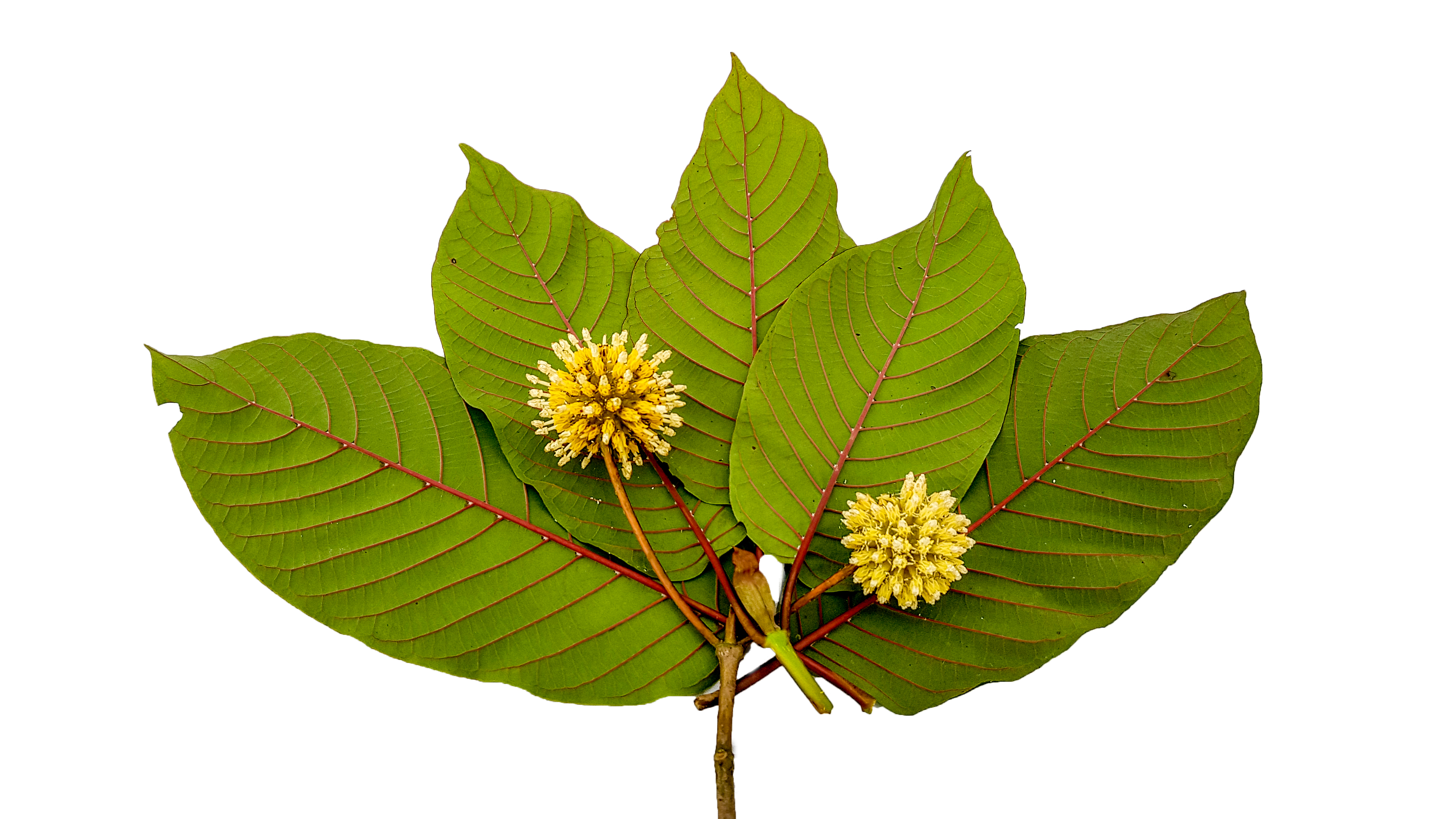
Kratom is a tropical tree native to Southeast Asia. Its leaves contain compounds that can produce stimulant effects at lower doses and opioid-like effects at higher doses.
One of those compounds, 7-OH, occurs naturally in trace amounts. Manufacturers can concentrate or chemically produce the substance to create more potent products, including tablets, gummies, capsules and liquid shots sold at convenience stores, gas stations and smoke shops.
Some anti-drug advocates have called concentrated 7-OH products "gas station heroin," Fox 13 reported.
The ordinance exempts natural, unaltered kratom, which is commonly consumed in teas, smoothies, powders and capsules. The exemption does not mean those products are risk-free.
The ordinance also covers synthetic derivatives such as MGM-15 and MGM-16, according to WUSF.
Commissioners cite public health concerns
Commissioner Harry Cohen described concentrated 7-OH products as a public health emergency, citing deaths reported by the county medical examiner.
"This is not kratom. This is a synthetic derivative of kratom that people are using and it has killed or been implicated in the deaths of 34 people in Hillsborough County in the last two years, according to our own medical examiner's office," Cohen said, according to Spectrum Bay News 9.
Fox 13 separately reported that the county medical examiner had linked mitragynine, another compound found in kratom, to more than 30 deaths.
The figures should not be treated as interchangeable because mitragynine and 7-OH are different compounds. The reports also do not establish that either substance was the sole cause of every death in which it was identified.
Commissioner Chris Boles said the ordinance represented an initial response to the problem.
"This is the first step in taking care of something that is hidden in a way, out in plain sight," Boles said, according to WUSF.
Families push for broader restrictions
The public hearing drew emotional testimony from families affected by kratom use, including some who wanted commissioners to ban natural kratom products as well.
Olivia MacDonald spoke about her brother, Cade MacDonald, who died in January at age 20 from acute kratom toxicity.
She and other members of her family urged commissioners to remove the exemption for natural kratom.
"If this substance is being promoted as a tool for recovery, why is it being sold along candy bars and energy drinks in our gas stations?" MacDonald asked, according to WUSF.
Other speakers argued that natural kratom should remain available, particularly for adults who use it to manage pain or as an alternative to other substances.
Joseph Petri, a former CEO of a Palm Beach County substance abuse treatment center, told commissioners that natural kratom leaf is "part of the solution, not part of the problem," according to WUSF.
Commissioner Donna Cameron Cepeda said after hearing the testimony that she would support a broader ban covering natural kratom.
The commission ultimately approved the narrower ordinance targeting concentrated and chemically altered products.
County action follows statewide restrictions
The ordinance amends Hillsborough County's existing synthetic drug regulations.
Florida already prohibits the sale of kratom products to people younger than 21.
The state has also imposed emergency restrictions on 7-OH and related compounds. In June 2026, Attorney General James Uthmeier announced expanded restrictions targeting substances developed or substituted to circumvent earlier regulations.
Florida subsequently placed 7-OH and several related compounds on its Schedule I controlled-substance list under a temporary emergency rule in August.
That rule is scheduled to expire June 30, 2027, according to WUSF.
County commissioners said a permanent local ordinance would provide continued restrictions if the statewide emergency rule expires.
The Hillsborough ordinance applies only to unincorporated areas of the county. Florida's statewide controlled-substance restrictions remain separate and apply throughout the state.